
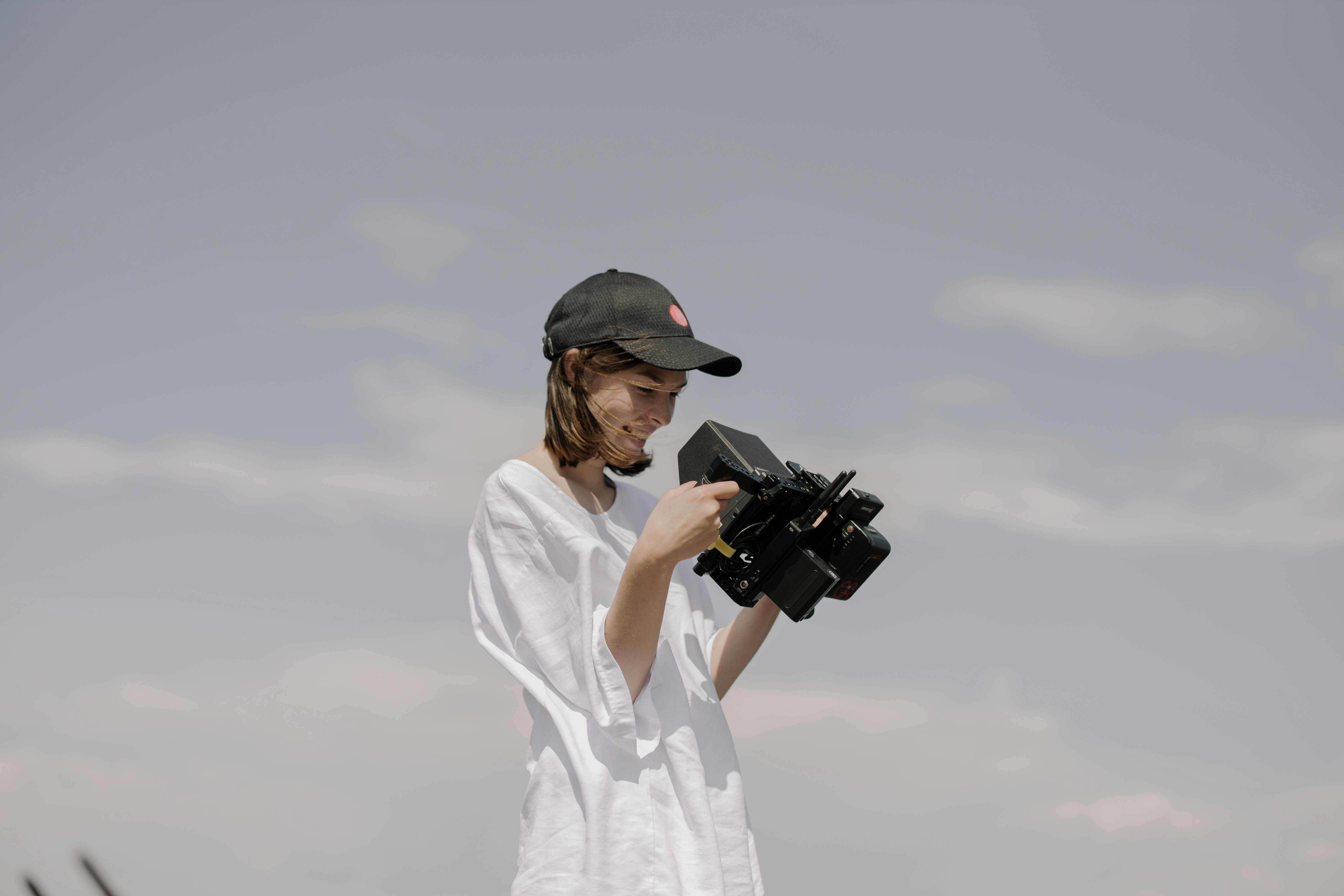
In 2026, Artificial Intelligence is no longer just a futuristic concept; it's the game-changer for independent filmmakers. Discover how cutting-edge AI tools are revolutionizing scriptwriting, virtual production, VFX, and post-production, saving budgets, accelerating workflows, and empowering creators to achieve cinematic excellence previously thought impossible. Dive into our comprehensive guide to the best AI solutions, compare features, and make smart purchasing decisions that will define your next project's success and maximize your creative output.
Introduction to the Topic
Welcome to 2026, where the dream of creating cinematic masterpieces on an indie budget is no longer a distant fantasy but a tangible reality, thanks to the relentless march of Artificial Intelligence. For years, AI in filmmaking was relegated to high-budget blockbusters, assisting with complex VFX or optimizing distribution. Today, the landscape has fundamentally shifted. Generative AI, machine learning algorithms, and intelligent automation are now accessible, affordable, and, most importantly, indispensable tools for independent filmmakers, videographers, and content creators worldwide.
This isn't about replacing human creativity; it's about augmenting it, democratizing capabilities once exclusive to multi-million dollar studios. From the nascent stages of script development to the final polish in post-production, AI is streamlining workflows, slashing costs, and unlocking unprecedented creative possibilities. If you're an independent filmmaker looking to elevate your craft, maximize your return on investment (ROI), and stand out in a crowded marketplace, understanding and leveraging these AI advancements isn't just an advantage – it's a necessity. This article will guide you through the leading AI filmmaking solutions of 2026, offering insights into how they work, what they cost, and how they can transform your next project from concept to screen.
Backgrounds & Facts
The journey of AI in filmmaking has been swift and transformative. What began with intelligent tracking, stabilization, and basic color correction algorithms in the early 2020s has blossomed into sophisticated generative models capable of creating entire virtual worlds, drafting dialogue, and even performing complex VFX with minimal human input. By 2026, AI's integration is pervasive across the entire production pipeline:
- Pre-production: AI now assists in script analysis, identifying narrative weaknesses, predicting audience reception, and even generating character profiles or dialogue snippets based on genre and tone. Location scouting AI can analyze satellite imagery and 3D scans to suggest optimal shooting spots, considering lighting, accessibility, and permit requirements. Storyboard AI, fed with script data, can rapidly generate visual sequences, offering directors multiple compositional options.
- Production: While human creativity remains at the helm, AI augments the physical shoot. Smart gimbals and drone systems use AI to anticipate subject movement and maintain perfect framing. Virtual production, powered by real-time AI rendering engines, allows filmmakers to shoot actors against vast, dynamically changing digital environments displayed on LED walls, eliminating the need for extensive green screen work and costly physical sets. AI-driven digital doubles are becoming increasingly realistic, suitable for background crowds or complex stunt sequences.
- Post-production: This is where AI's impact is perhaps most profound and accessible. Automated rough cuts, intelligent scene selection, and AI-powered rotoscoping (separating foreground from background) have become standard. Generative AI can now create highly realistic environmental effects like smoke, fire, and water, or even extend existing sets and landscapes. AI-assisted color grading suggests optimal looks based on mood and genre, while intelligent noise reduction and upscaling algorithms breathe new life into older footage or lower-resolution captures. Sound design benefits from AI that can separate dialogue from background noise, generate ambient sounds, or even clone voices for ADR (Automated Dialogue Replacement).
The key takeaway for indie filmmakers is the unprecedented cost-effectiveness and speed these tools offer. Tasks that once required days of specialized labor and expensive software licenses can now be completed in hours or even minutes, often with subscription models designed for individual creators and small teams.
Expert Opinion / Analysis
The rise of AI in filmmaking has sparked both excitement and debate among industry veterans and newcomers alike. We consulted with leading figures in film technology and independent production to get their insights into this rapidly evolving landscape.
"The barrier to entry for high-quality visuals has never been lower," states Sarah Chen, CEO of CineGen AI, a leading developer of generative pre-production platforms. "Our AI tools allow a solo creator to achieve effects and pre-visualization quality that would have required a team of twenty just five years ago. It’s not about replacing artists; it’s about empowering them to do more, faster, and with greater precision. This translates directly into higher production value and more compelling storytelling, even on shoestring budgets."
However, the ethical considerations are not to be overlooked. Dr. Alex Sharma, a film technology ethicist and professor at the Global Film Institute, cautions, "While AI offers incredible power, understanding its limitations and ethical implications – particularly around copyright, creative ownership, and the potential for deepfakes – is paramount for responsible filmmaking. Filmmakers must educate themselves on the provenance of AI-generated assets and ensure their use aligns with legal and ethical standards. The industry is still grappling with these issues, and those who lead with integrity will build lasting careers."
Many experts emphasize that AI is a powerful assistant, not a replacement for human creativity. "AI can generate a thousand iterations of a forest, but it takes a human director to choose the one that evokes the specific emotion needed for the scene," explains award-winning indie director, Maya Singh. "The real skill in 2026 isn't just knowing how to use the AI; it's knowing what to ask it for, how to guide it, and how to infuse the output with your unique artistic vision. Those who master this synergy will be the trailblazers of the next decade, delivering exceptional content with unparalleled efficiency."
💰 Best Options in Comparison (VERY IMPORTANT)
Navigating the burgeoning market of AI filmmaking tools can be daunting. To help you make informed purchasing decisions that directly impact your project's budget and quality, we've identified three leading AI solutions in 2026, each excelling in different stages of the filmmaking process. These platforms represent the best value for independent filmmakers seeking to leverage AI for maximum ROI.
-
ScriptSpark Pro: The Generative Storytelling & Pre-visualization Maestro
ScriptSpark Pro is a comprehensive AI suite designed to revolutionize your pre-production workflow. It goes beyond basic script analysis, offering generative capabilities for character development, dialogue suggestions, and plot point optimization based on genre and target audience. Its standout feature is its AI-powered pre-visualization engine, which can take your script and automatically generate basic 3D storyboards, animatics, and even preliminary virtual sets. This allows directors and cinematographers to experiment with camera angles, blocking, and lighting scenarios long before stepping onto a physical set. For indie filmmakers, this means significant savings in time and resources, minimizing costly reshoots and optimizing every production decision.
- Key Features: AI-assisted scriptwriting, character arc development, dialogue generation, automated storyboard creation, rudimentary pre-visualization with 3D assets, budget estimation integration.
- Target User: Screenwriters, directors, producers, pre-production teams.
- Value Proposition: Saves months in development, optimizes scripts for production efficiency, reduces pre-production costs by up to 40%.
-
VisionForge Studio: The AI-Powered Virtual Production Game-Changer
For independent filmmakers venturing into virtual production, VisionForge Studio is a non-negotiable asset. This platform is tailored for real-time environment generation on LED stages, offering AI-driven asset creation for props, textures, and even dynamic weather effects. It integrates seamlessly with motion tracking systems, allowing for real-time adjustments to virtual backgrounds as the camera moves. VisionForge Studio can also generate highly convincing digital doubles for background actors, significantly reducing the need for large crowds and extras. This tool empowers small studios to create epic-scale productions without the logistical nightmares and exorbitant costs associated with traditional location shoots or extensive green screen post-production.
- Key Features: Real-time LED wall environment generation, AI-driven asset creation (props, textures, weather), automated lighting setups, motion tracking integration, digital double generation for background actors.
- Target User: Small studios, independent filmmakers utilizing virtual production stages, VFX supervisors.
- Value Proposition: Eliminates physical sets and locations, reduces travel and logistics, enhances creative control and flexibility on set, delivering blockbuster aesthetics on an indie budget.
-
EditFlow AI: The Intelligent Post-Production & VFX Accelerator
EditFlow AI is the ultimate companion for your post-production pipeline, designed to drastically cut down editing and VFX time while elevating visual quality. Its intelligent algorithms can generate automated rough cuts based on script analysis and emotional cues, suggesting optimal takes and scene transitions. The AI-powered rotoscoping and object removal features are incredibly fast and precise, saving countless hours. Furthermore, EditFlow AI boasts a powerful generative VFX engine capable of creating realistic elements like smoke, fire, water, and even extending practical sets with digital enhancements. It also includes AI-assisted color grading that learns your style and intelligent sound separation for pristine audio. This tool is a game-changer for solo editors or small post-production teams aiming for polished, professional results at an accelerated pace.
- Key Features: Automated rough cuts, intelligent scene suggestions, AI-powered rotoscoping, object removal, de-noising, upscaling, AI-assisted color grading, generative VFX elements (smoke, fire, water), AI voice cloning/enhancement.
- Target User: Editors, VFX artists, sound designers, colorists, post-production supervisors.
- Value Proposition: Speeds up post-production by 50-80%, enables high-end visual effects on indie budgets, ensures consistent quality across all deliverables.
To help you compare these essential tools and make the best investment for your filmmaking journey, here's a detailed comparison table:
| Tool Name | Primary Function | Key Features | Pricing Model | Ideal User | Value Proposition |
|---|---|---|---|---|---|
| ScriptSpark Pro | Pre-production & Scripting | AI-assisted scriptwriting, character arcs, dialogue, automated storyboards, pre-viz, budget estimation. | Subscription ($99/month for Pro tier; annual discounts available) | Screenwriters, Directors, Producers, Development Teams | Saves months in development, optimizes scripts for production efficiency, reduces early-stage creative block. |
| VisionForge Studio | Virtual Production & VFX | Real-time LED wall environments, AI asset generation, automated lighting, motion tracking, digital doubles. | Subscription + Project-based (from $499/month for software; project fees vary based on complexity) | Small Studios, Virtual Production Teams, Independent Filmmakers with LED access | Eliminates physical sets & locations, reduces travel, enhances creative control, delivers high-end visuals. |
| EditFlow AI | Post-production & VFX | Automated rough cuts, intelligent scene suggestions, AI roto/object removal, generative VFX, color/sound assist. | Tiered Subscription (Basic $49/month, Pro $149/month, Studio $399/month) | Editors, VFX Artists, Sound Designers, Colorists, Post-production houses | Speeds up post-production by 50-80%, enables high-end effects on indie budgets, improves quality and consistency. |
Outlook & Trends
The trajectory of AI in filmmaking points towards even deeper integration and sophistication. By the end of the decade, we can expect AI to become an almost invisible layer, embedded seamlessly into every piece of filmmaking hardware and software. Future trends include:
- Hyper-Personalization: AI systems will increasingly learn and adapt to individual filmmaker styles, offering suggestions and generating content that aligns perfectly with a creator's unique aesthetic and narrative voice.
- Ethical Frameworks & Regulation: As AI capabilities grow, so too will the focus on responsible AI use, robust copyright frameworks for AI-generated content, and industry standards to ensure fair compensation and transparency.
- Hardware Acceleration: Dedicated AI processing units (NPUs) will become standard in cameras, editing workstations, and mobile devices, enabling real-time, on-device AI processing for even more complex tasks.
- Interactive Storytelling & Metaverse Integration: AI will play a pivotal role in creating dynamic, responsive narratives for interactive films and experiences within the burgeoning metaverse, allowing audiences to influence storylines in real-time.
- New Job Roles: Far from eliminating jobs, AI is creating new specialized roles such as 'AI Prompt Engineers for Film,' 'AI Ethicists,' and 'Virtual Production Architects,' requiring a blend of creative vision and technical AI proficiency.
The future of filmmaking is not just about adopting AI; it's about evolving with it, understanding its potential, and shaping its ethical use to serve human creativity.
Conclusion
The year 2026 marks a pivotal moment for independent filmmakers. Artificial Intelligence is no longer a luxury for the elite but an indispensable set of tools that can dramatically enhance your creative output, accelerate your workflows, and, crucially, optimize your budget. By intelligently integrating AI solutions like ScriptSpark Pro for pre-production, VisionForge Studio for virtual sets, and EditFlow AI for post-production, you can achieve a level of cinematic quality and efficiency previously unimaginable. The power to tell compelling stories with stunning visuals is now more accessible than ever before. The future isn't coming; it's here, offering unprecedented opportunities for those willing to embrace it. Explore these tools, invest in your skills, and unleash the full potential of your filmmaking vision. Your next masterpiece awaits.