
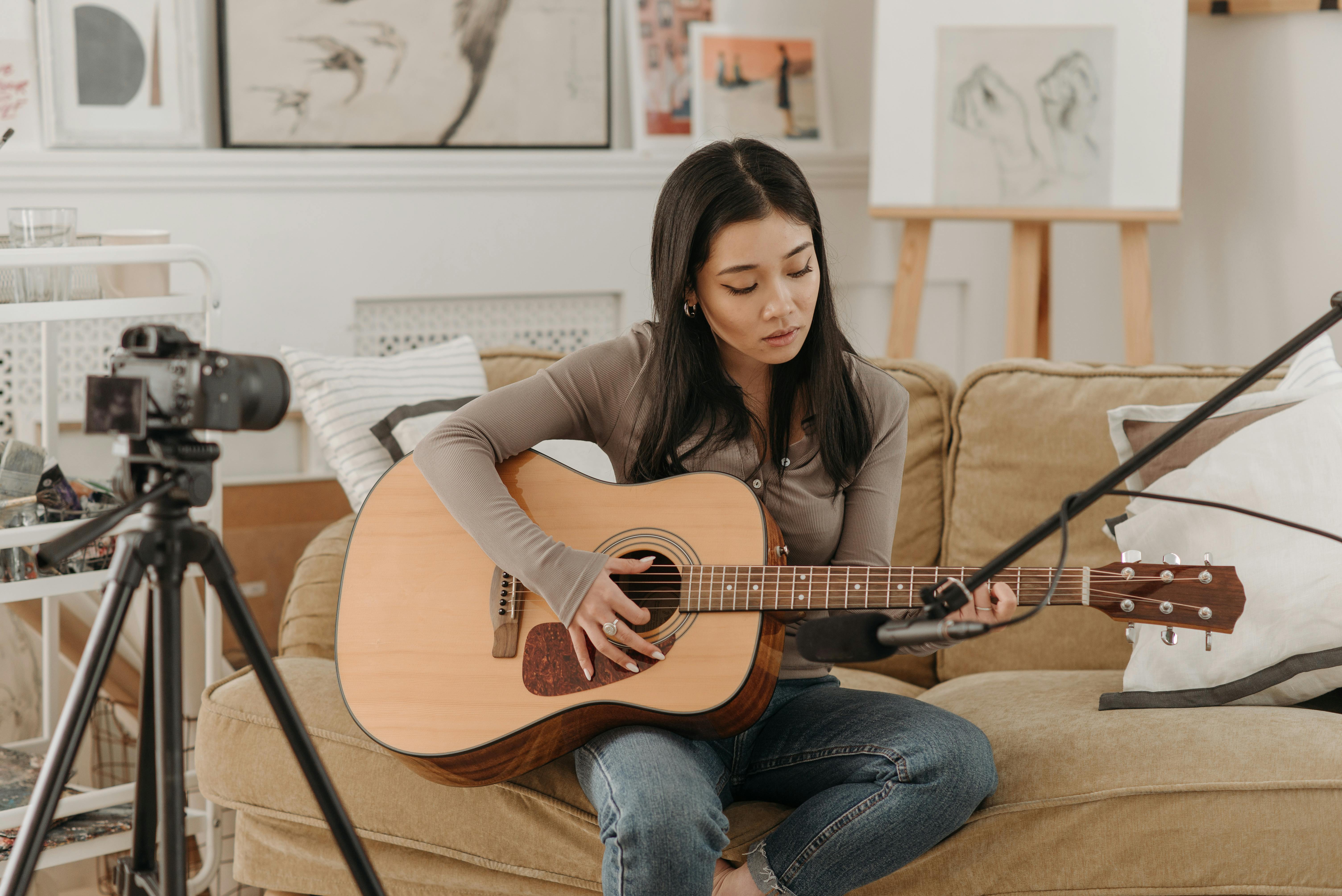
In 2026, AI isn't just a buzzword; it's the game-changer for music video production. Discover how generative AI tools are democratizing high-quality visuals, cutting costs, and empowering artists. We compare the leading AI music video generators and platforms, helping you choose the best software to create stunning, viral content and maximize your video's ROI.
Introduction to the Topic
Welcome to 2026, where the landscape of music video production has undergone a seismic shift. For decades, creating a high-quality music video was a resource-intensive endeavor, often demanding significant budgets, extensive crews, and specialized equipment. This reality frequently placed professional-grade visuals out of reach for independent artists and smaller labels, forcing them to compromise on their creative vision or settle for less impactful content. However, the rapid evolution of Artificial Intelligence (AI) has dramatically altered this equation, ushering in an era of unprecedented accessibility and creative freedom.
Today, generative AI is not just assisting human creators; it's becoming a powerful co-pilot, capable of transforming abstract concepts into breathtaking visual realities with remarkable speed and efficiency. From generating entire scenes and characters to automating complex editing tasks and perfecting visual effects, AI music video software is democratizing the art form. Artists can now produce captivating, high-production-value visuals that resonate with audiences, all without breaking the bank. This guide will delve into the transformative power of AI in music video creation, examine the leading platforms available in 2026, and help you harness this technology to elevate your visual storytelling and maximize your return on investment.
Backgrounds & Facts
The journey of AI from theoretical concept to a practical tool in creative industries has been swift and astonishing. While early AI applications in music videos were limited to basic visualizers or automated editing of existing footage, the breakthroughs in deep learning and generative adversarial networks (GANs) in the early 2020s paved the way for truly innovative solutions. By 2026, AI models are sophisticated enough to understand complex narrative prompts, interpret lyrical themes, and translate musical nuances into dynamic visual sequences.
One of the most compelling facts about AI's integration into music video production is its unparalleled efficiency. What once took weeks or months of pre-production, shooting, and post-production can now be significantly condensed. AI tools can generate storyboards, create photorealistic or stylized environments, animate characters, and even perform advanced color grading and visual effects in a fraction of the time. This speed directly translates to substantial cost savings, making it possible for artists on tight budgets to compete with major label productions in terms of visual quality and impact.
Furthermore, AI-powered platforms are fostering an explosion of creativity. Artists are no longer constrained by the limitations of physical sets, available actors, or even the laws of physics. They can conjure surreal dreamscapes, futuristic cityscapes, or historical reenactments with a few clicks. The ability to iterate rapidly on visual concepts, experiment with diverse styles, and personalize content for different platforms or audiences has become a standard feature. Industry reports from early 2026 indicate that over 40% of new independent music videos released this year utilized some form of generative AI in their production pipeline, a testament to its widespread adoption and effectiveness.
Expert Opinion / Analysis
The rise of AI in music video production has sparked lively debates among industry experts, balancing enthusiasm for innovation with thoughtful consideration of its implications. Dr. Evelyn Reed, a leading media technologist and author of 'The Algorithmic Muse,' notes, "AI isn't here to replace human creativity; it's here to augment it. Think of it as an infinitely patient, incredibly skilled assistant who can manifest your wildest ideas into reality. For independent artists, it's nothing short of a liberation, democratizing access to high-end visual storytelling that was once the exclusive domain of major studios."
However, the conversation isn't without its complexities. Some purists raise concerns about originality and the potential for homogenization if artists rely too heavily on pre-trained models. "The true challenge for artists in the AI era," explains celebrated music video director, Marcus Thorne, "is to use these tools not just to generate, but to innovate. The human touch, the unique artistic vision, remains paramount. AI is a brush; the artist still needs to paint a masterpiece, not just let the brush paint itself."
Ethical considerations also play a significant role. Questions surrounding data provenance, copyright for AI-generated assets, and the 'deepfake' potential for creating convincing but fabricated scenarios are actively being addressed by industry bodies and platform developers. Leading AI music video platforms are implementing robust ethical guidelines and transparency features, ensuring creators retain control and clarity over their intellectual property.
Ultimately, the consensus among experts is overwhelmingly positive: AI is a powerful force for good, lowering barriers to entry, accelerating production workflows, and expanding the creative horizons for artists globally. The key lies in understanding AI as a tool – a sophisticated one, certainly – but a tool that requires human direction, intention, and artistic sensibility to truly shine.
💰 Best Options in Comparison (VERY IMPORTANT)
Choosing the right AI music video generator in 2026 can be daunting, given the array of powerful options available. We've narrowed down the top platforms, each offering unique strengths tailored to different needs and budgets. Whether you're a solo artist, an independent label, or a professional agency, these tools are designed to help you create stunning visuals and maximize your video's ROI.
- VisualSynth Pro: Renowned for its unparalleled customization and high-fidelity output, VisualSynth Pro is the choice for professional studios and artists demanding granular control. Its advanced AI Director module allows for intricate scene composition, character animation, and custom style model training. While it has a steeper learning curve and a premium subscription, the results are often indistinguishable from traditional high-budget productions. It's ideal for complex narratives and unique visual identities.
- RhythmRender AI: A favorite among independent artists and mid-sized agencies, RhythmRender AI strikes an excellent balance between power and ease of use. It excels at generating diverse visual styles, from abstract art to photorealistic scenes, and features advanced lip-sync AI for virtual performers. Its flexible project-based pricing alongside subscription tiers makes it accessible for various budget levels, offering robust features without overwhelming complexity.
- LyricLens Studio: Specifically designed for solo artists and those prioritizing engaging lyric videos, LyricLens Studio offers an intuitive, template-driven approach combined with powerful AI visual generation. It automatically syncs visuals to lyrics, suggests dynamic effects, and provides a vast library of customizable assets. Its freemium model allows artists to experiment before committing, making it an excellent entry point for those new to AI video creation.
- MetaMuse Creator: As the metaverse continues to expand, MetaMuse Creator stands out as the premier platform for generating immersive, interactive music videos compatible with virtual reality (VR) and augmented reality (AR) environments. It specializes in 3D environment generation, avatar integration, and spatial audio synchronization, allowing artists to create truly experiential content for emerging platforms. Ideal for artists looking to push boundaries into virtual performance spaces.
To help you make an informed decision, here's a detailed comparison table:
| Platform | Best For | Key Features | Pricing Model | Learning Curve | Output Quality |
|---|---|---|---|---|---|
| VisualSynth Pro | Pro Studios, Complex Narratives, Unique Styles | Advanced AI Director, Custom Style Models, 4K+ Resolution, Multi-Scene Generation, AI Scripting | Tiered Subscription (Premium) | High | Excellent (Studio-Grade) |
| RhythmRender AI | Independent Artists, Creative Agencies, Diverse Visuals | Scene Generation, Style Transfer, Lip-Sync AI, AI-Assisted Editing, Dynamic Camera Control | Project-Based & Subscription | Medium | Very Good (Broadcast-Ready) |
| LyricLens Studio | Solo Artists, Lyric Videos, Quick Turnaround | Automated Lyric Sync, Template Library, Easy UI, Basic Visual Generation, Social Media Optimization | Freemium & Subscription | Low | Good (Engaging) |
| MetaMuse Creator | Metaverse/VR Content, Interactive Experiences | 3D Environment Generation, Avatar Integration, VR/AR Compatibility, Interactive Elements, Spatial Audio Sync | Subscription & Per-Project | Medium | Excellent (Immersive) |
Outlook & Trends
Looking ahead, the trajectory of AI in music video production promises even more astounding innovations. By the end of the decade, we can expect hyper-personalized music videos, where AI dynamically generates visuals tailored to individual viewer preferences, mood, or even biometric data, creating truly unique experiences for every watch. Imagine a music video that subtly shifts its aesthetic based on your real-time emotional response.
The integration of AI with advanced haptic feedback and neural interfaces will lead to truly immersive, multi-sensory music videos, moving beyond just visual and auditory experiences. Full virtual artists, entirely conceived and animated by AI, will become more commonplace, blurring the lines between digital and physical performers. These AI artists will not only star in their own videos but also potentially perform in live, interactive metaverse concerts, responding to audience input in real-time.
Furthermore, AI's role in live performance visuals will expand dramatically. Real-time generative AI will create dynamic backdrops, lighting effects, and visual narratives that evolve spontaneously with the music and performer's actions, offering unparalleled spectacle. The ethical framework surrounding AI creativity will also mature, with clearer guidelines on ownership, attribution, and the responsible use of synthetic media. As AI continues to learn and evolve, its capacity to understand and express complex human emotions through visuals will deepen, leading to music videos that are not only visually stunning but profoundly resonant on a human level.
Conclusion
In 2026, AI is no longer a futuristic concept but a powerful, accessible reality for music video production. It has shattered traditional barriers, offering artists of all levels the tools to create high-quality, impactful visuals that once required massive budgets and extensive resources. From democratizing access to professional-grade effects to unleashing unprecedented creative freedom, AI music video generators are redefining the industry.
The platforms we've explored – VisualSynth Pro, RhythmRender AI, LyricLens Studio, and MetaMuse Creator – represent the vanguard of this revolution, each providing unique pathways to bring your musical vision to life. By carefully considering your needs, budget, and creative goals, you can select the perfect AI partner to elevate your content, reach wider audiences, and maximize your video's ROI. The future of music videos is vibrant, dynamic, and undeniably intelligent. Embrace these transformative AI tools, experiment fearlessly, and let your creativity soar to new, unimaginable heights.