
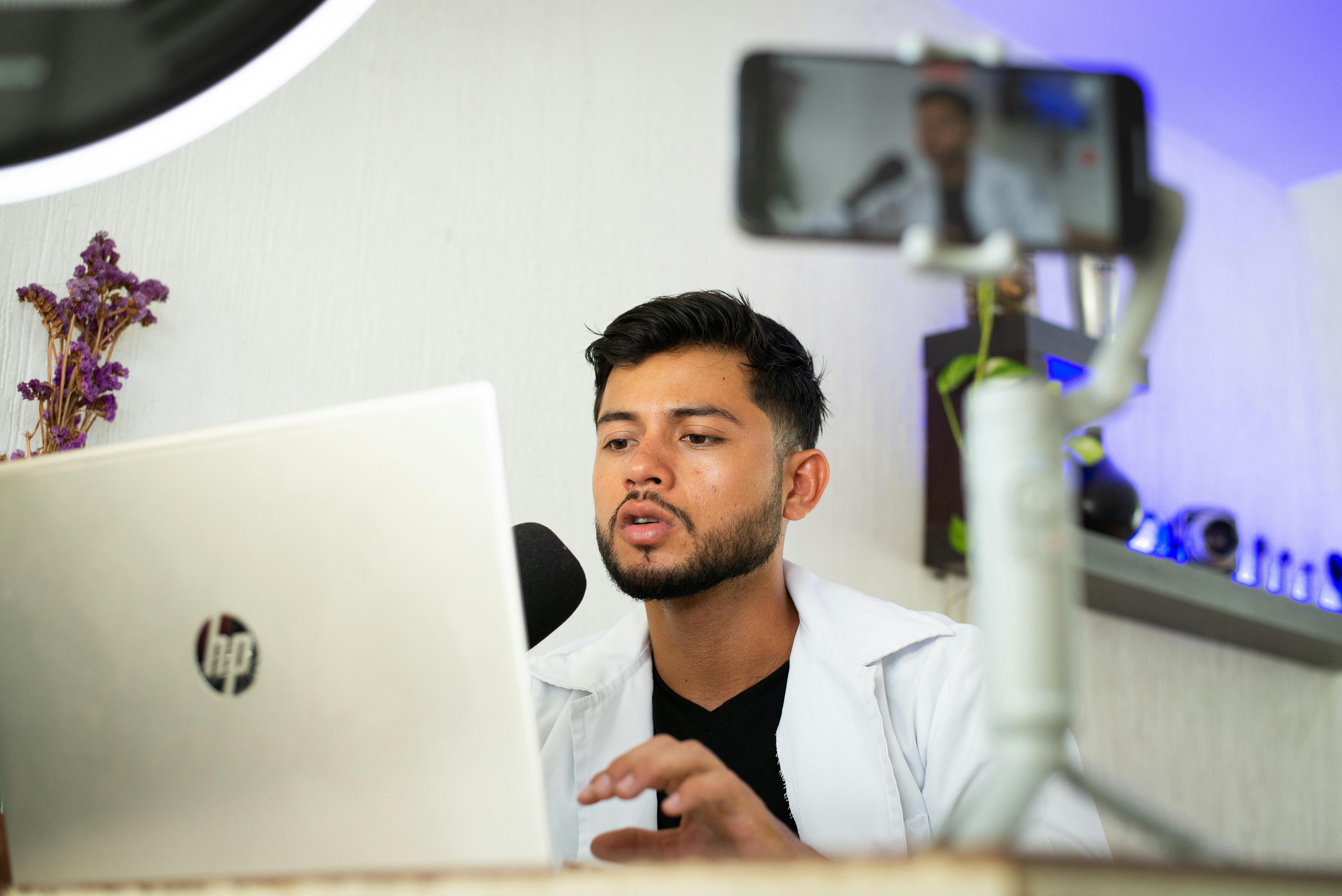
I have been asked to stop filming in shopping centres, railway stations, museums, a hospital car park, and by a man in a high visibility jacket on a street who turned out to have no authority whatsoever.
The rules vary by country and the general shape is similar enough to be worth describing, along with the practical approach that has saved me most trouble.
This is a description of how it works in practice, not legal advice, and anything with money attached should involve someone who does that professionally.
Public and private are not what they look like
The main source of confusion. Many spaces that feel public are privately owned.
Shopping centres, most railway stations, business districts and plazas, university campuses, and a surprising amount of what looks like street in redeveloped city centres.
On private land the owner can set conditions on filming and can ask you to leave. There is generally no free-speech style right that overrides this, whatever anybody says online.
On genuinely public land — an ordinary street, a public park, a pavement — filming is broadly permitted in most places, subject to obstruction and public order rules.
Which means the first question at any location is who owns it, and that is not answerable by looking.
Tripods change the answer
A distinction that surprises people and is nearly universal.
Handheld filming is frequently tolerated where a tripod is not. The reasons given are obstruction and safety, and the underlying reason is that a tripod signals a production rather than a person taking a video.
Many public authorities that permit casual filming require a permit once a tripod appears. Some make the distinction explicit in their published rules.
The practical consequence is that a monopod or a handheld gimbal will get you through places a tripod will not, which is a genuine consideration when planning.
People in frame
Separate from location permission and frequently conflated with it.
Filming people in public places is generally permitted in most jurisdictions. What you do with the footage is where the restrictions sit, and they vary considerably.
Commercial use — advertising, endorsement — generally requires permission from identifiable individuals in most places. Editorial, journalistic and artistic use is treated more permissively in many jurisdictions.
Data protection regimes in some regions add obligations around recording identifiable people that are separate from the older image rights questions, and these have been tightening rather than loosening.
Children are treated more strictly nearly everywhere, both legally and in terms of what will cause a confrontation.
For anything I intend to publish where a person is recognisable and central, I ask. It takes thirty seconds and removes the entire category of problem.
What actually works on the ground
The approach that has served me best is being visible and unremarkable.
Do not look furtive. People who look like they are doing something normal are approached far less than people who look like they are trying not to be noticed.
Ask first where there is somebody to ask. A shop, a station office, a venue. The answer is yes considerably more often than people expect, and a yes obtained in advance is much stronger than an argument afterwards.
Have a one line explanation ready. What you are making, for what, and how long you will be. Vagueness produces suspicion.
And carry something that looks official. A printed letter about the project, even self-produced, satisfies a surprising number of people whose job is to check that somebody has checked.
When you are asked to stop
My rule is to stop.
Not because they are necessarily right. Because the argument costs more than the shot is worth, in time, in goodwill and occasionally in an escalation that involves someone with actual authority.
If it matters, ask who they are, ask what the rule is, and follow up with whoever runs the place afterwards. That has occasionally got me access. Arguing on the spot never has.
The exception worth knowing is that on genuinely public land, a person with no authority asking you to stop is making a request. You are entitled to decline politely. Whether you want to is a separate question.
Permits, and when they are worth it
For anything with a crew, equipment, or a schedule that cannot absorb being moved on, a permit is worth the process.
Local authorities generally have a film office or an equivalent, the process is more straightforward than expected, and costs for small productions are often modest or waived.
What the permit buys is not just permission. It buys the ability to say yes when someone asks, which ends the conversation immediately, and it frequently comes with practical help like parking arrangements.
For one person with a camera for twenty minutes, it is disproportionate. For anything more, it is the difference between a smooth day and a day spent negotiating.