
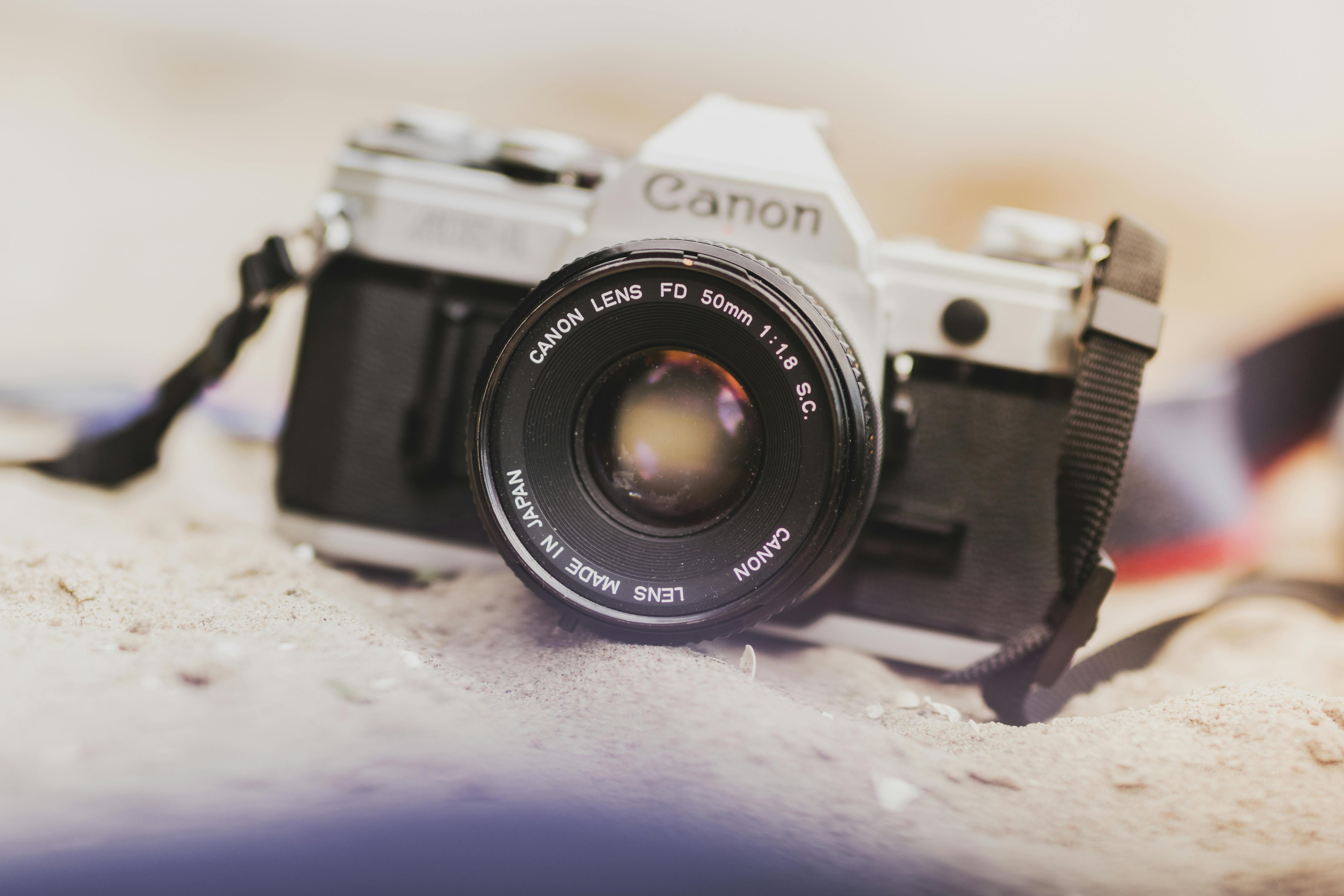
In 2026, AI-powered cameras and smart gimbals are no longer a futuristic dream but essential tools for filmmakers and content creators. Discover how advanced AI tracking, predictive autofocus, and intelligent stabilization are transforming video production, and find out which top AI video cameras and smart gimbals offer the best value and performance for professionals and enthusiasts alike. This ultimate guide helps you compare products, understand the technology, and make smart purchasing decisions to elevate your visual storytelling.
Introduction to the Topic
The year is 2026, and the world of video production is experiencing its most profound transformation since the advent of digital sensors. What was once the stuff of science fiction — cameras that anticipate your next move, gimbals that flawlessly track subjects without human intervention, and systems that intelligently optimize every frame — is now a tangible reality. Artificial Intelligence (AI) has moved beyond software enhancements, embedding itself deep within the hardware of our most crucial filmmaking tools: cameras and gimbals.
This isn't just about incremental improvements; it's a paradigm shift. AI-powered cameras and smart gimbals are not merely assisting; they are actively participating in the creative process, making professional-grade videography more accessible, efficient, and creatively liberating than ever before. From solo content creators to high-end cinematographers, the demand for intelligent gear that can reduce setup time, minimize reshoots, and guarantee stunning results is skyrocketing. This comprehensive guide from videotriangle.com delves into the cutting-edge of 2026's AI camera and smart gimbal technology, helping you navigate the options and invest in the future of filmmaking.
Backgrounds & Facts
The journey of AI integration into camera gear began subtly, with early iterations of autofocus systems and rudimentary object recognition. Fast forward to 2026, and these foundational technologies have blossomed into sophisticated neural networks operating on dedicated AI processing units (NPUs) directly within the camera body or gimbal. This on-device (edge AI) processing ensures lightning-fast responses and unparalleled accuracy, crucial for dynamic video environments.
The core applications of AI in today's camera and gimbal systems include:
-
Predictive Autofocus & Advanced Tracking: Gone are the days of hunting focus. Modern AI systems predict subject movement with astonishing precision, maintaining tack-sharp focus even in chaotic scenes. They differentiate between humans, animals, vehicles, and even specific objects, tracking them seamlessly across the frame. Multi-subject tracking allows the camera to intelligently prioritize and shift focus between multiple moving targets.
-
Intelligent Stabilization: Beyond traditional mechanical gimbals and in-body image stabilization (IBIS), AI analyzes camera movement in real-time, predicting and counteracting unwanted jitters and shakes with unprecedented smoothness. Some systems even offer 'virtual dolly' modes, creating impossibly smooth, programmed movements without actual tracks.
-
Autonomous Framing & Composition: Imagine a camera that can automatically adjust its pan, tilt, and zoom to keep your subject perfectly framed according to cinematic rules. AI-driven auto-framing ensures your subject is always in the optimal position, adapting to their movements and even anticipating compositional shifts.
-
Computational Video Processing: AI engines are now capable of real-time noise reduction, dynamic range optimization, and even smart color grading suggestions directly in-camera. This significantly reduces post-production time and enhances the final image quality straight out of the device.
-
Workflow Automation & Metadata: AI can intelligently tag footage with descriptive metadata, recognize specific events or people, and even suggest optimal shooting settings based on environmental analysis, streamlining the entire production pipeline.
These advancements are powered by increasingly efficient custom silicon and sophisticated deep learning algorithms trained on vast datasets of video footage, enabling cameras and gimbals to 'understand' visual information in ways previously unimaginable.
Expert Opinion / Analysis
"The impact of AI on filmmaking in 2026 is nothing short of revolutionary," states Dr. Anya Sharma, a leading expert in computational imaging and a consultant for major camera manufacturers. "For years, filmmakers dreamt of tools that could augment their skills, not replace them. AI is delivering precisely that. It's freeing up operators from repetitive tasks, allowing them to focus purely on the creative vision and emotional impact of their shots."
The benefits are manifold:
-
Increased Efficiency: Tasks like precise focus pulling, complex camera movements, and subject tracking, which once required dedicated crew members or extensive practice, can now be executed flawlessly by intelligent systems. This is a game-changer for lean productions, solo creators, and run-and-gun documentary filmmakers.
-
Consistent Professional Results: AI minimizes human error, ensuring every take is in focus, perfectly stable, and optimally framed. This consistency translates to higher production value and fewer reshoots, saving time and money.
-
Expanded Creative Possibilities: With AI handling the technical heavy lifting, filmmakers can experiment with more complex shots, achieve impossible movements, and push the boundaries of visual storytelling. Imagine a gimbal that can autonomously follow a dancer through a complex routine, allowing the operator to focus solely on lighting or directing.
-
Democratization of High-End Features: Advanced tracking and stabilization, once exclusive to high-budget productions, are now trickling down into prosumer and even enthusiast-level gear, making sophisticated filmmaking tools accessible to a wider audience.
However, Dr. Sharma also offers a word of caution: "While AI offers incredible power, it's a tool, not a substitute for human artistry. Over-reliance can lead to predictable, sterile visuals. The best filmmakers will be those who master these AI tools, using them to enhance their unique vision rather than surrendering creative control." Other considerations include the increasing cost of these sophisticated systems and the ethical implications of autonomous recording, especially regarding privacy and consent.
💰 Best Options in Comparison (VERY IMPORTANT)
Navigating the burgeoning market of AI-powered cameras and smart gimbals in 2026 can be daunting. We've meticulously analyzed the top contenders, focusing on their AI capabilities, overall performance, and value for money. Here are our top picks across different categories, designed to help you make an informed purchasing decision.
-
LuminaSight X1 Pro: The Cinematic AI Powerhouse
The LuminaSight X1 Pro stands as the pinnacle of AI-integrated cinematic cameras. Featuring a full-frame 60MP sensor and a dedicated 'NeuralCore' AI processor, it delivers stunning 8K/60p and 4K/120p video with unparalleled AI-driven autofocus and subject tracking. Its 'Director's Eye' AI actively analyzes the scene, suggesting optimal framing and even adjusting exposure parameters in complex lighting. The X1 Pro's in-body AI stabilization works in conjunction with its smart lenses to create 'zero-drift' footage, making external gimbals almost redundant for many scenarios. It's a significant investment, but for high-end productions and discerning cinematographers, its capabilities are unmatched.
-
OmniCam Z5 AI: The Creator's Smart Companion
Targeting professional content creators, vloggers, and independent filmmakers, the OmniCam Z5 AI offers an exceptional balance of price and performance. Equipped with a 33MP APS-C sensor, it captures crisp 6K/30p and 4K/60p video. Its standout feature is the 'CreatorTrack Pro' AI, which not only tracks subjects with incredible accuracy but also offers intelligent auto-framing for solo shoots, ensuring you're always centered and composed. The Z5 AI also boasts 'Smart VLOG' modes that use AI to optimize audio levels, apply cinematic LUTs in real-time, and even generate basic edit suggestions post-capture. It's a versatile, user-friendly camera that empowers creators to produce high-quality content efficiently.
-
StabilizePro Aura: The Autonomous Gimbal Master
While many cameras now feature advanced IBIS, dedicated smart gimbals still offer superior stability and unique AI-driven movement capabilities. The StabilizePro Aura is the undisputed leader in this category. Its 'Sentinel AI' system uses a combination of on-board cameras and LiDAR sensors to autonomously track up to five subjects simultaneously, executing complex pan, tilt, and roll movements with robotic precision. It features 'Ghost Mode' for silent, unobtrusive operation and 'Path Planner' AI, allowing users to pre-program intricate camera movements that the Aura executes flawlessly, even adapting to unexpected obstacles. For dynamic action, sports, or narrative sequences requiring complex, repeatable camera moves, the Aura is an indispensable tool.
To help you compare these revolutionary pieces of gear, here's a detailed table:
| Feature | LuminaSight X1 Pro | OmniCam Z5 AI | StabilizePro Aura |
|---|---|---|---|
| Device Type | Full-Frame Mirrorless Camera | APS-C Mirrorless Camera | 3-Axis Smart Gimbal (w/ built-in camera option) |
| Key AI Features | Director's Eye Framing, NeuralCore AF, Zero-Drift IBIS, Real-time Comp. Video | CreatorTrack Pro, Intelligent Auto-Framing, Smart VLOG Modes, AI Audio Optimization | Sentinel AI Tracking (5 subjects), Ghost Mode, Path Planner AI, LiDAR-assist |
| Sensor / Max Res | 60MP Full-Frame / 8K/60p, 4K/120p | 33MP APS-C / 6K/30p, 4K/60p | N/A (Supports cameras up to 10kg) / (Optional 4K/60p integrated camera) |
| Price (Est. 2026 Body/Unit) | $8,999 USD | $2,499 USD | $1,799 USD |
| Best For | High-end cinematic productions, professional photographers, demanding workflows | Content creators, vloggers, solo filmmakers, independent productions | Dynamic action, sports, complex narrative movements, autonomous tracking needs |
| Pros | Unmatched AI performance, superior image quality, robust build, future-proof | Excellent value, smart features for solo work, compact, easy to use | Unrivaled stabilization, autonomous movement, multi-subject tracking, versatile |
| Cons | Very high price point, complex features require learning curve, heavy | Limited 8K options, AI features can be battery intensive, not full-frame | Additional weight to carry, requires camera compatibility, another piece of gear |
Outlook & Trends
The trajectory of AI in camera and gimbal technology points towards even deeper integration and more sophisticated capabilities. By the end of the decade, we can expect:
-
Predictive Scene Analysis: Cameras will not just react to what's happening but anticipate it. AI could analyze scripts or storyboards, understand director's notes, and even learn individual shooting styles to proactively set up shots.
-
AI-Assisted Directing: For simpler productions, AI might offer real-time directorial cues, suggesting camera angles, lens choices, or even character blocking based on narrative analysis.
-
Hyper-Realistic Computational Compositing: AI will enable seamless, real-time compositing of CGI elements with live-action footage, directly in-camera, blurring the lines between production and post-production.
-
Edge AI Dominance: The trend towards powerful, on-device AI processors will continue, minimizing reliance on cloud computing for critical, real-time tasks, ensuring privacy and reducing latency.
-
Personalized AI Profiles: Cameras will learn your preferred aesthetic, compositional rules, and editing style, adapting their AI assistance to match your unique creative voice.
The ethical considerations surrounding AI will also become more prominent, requiring industry standards for data privacy, consent in autonomous recording, and preventing misuse of AI-generated content. Manufacturers will increasingly focus on 'ethical AI' development to build trust with users.
Conclusion
The AI revolution in camera and gimbal technology has fundamentally reshaped the landscape of video production in 2026. From intelligent autofocus that never misses a beat to autonomous gimbals that execute complex choreographies, these tools are no longer just aids; they are partners in the creative process. They empower filmmakers of all levels to achieve results previously only attainable with large crews and extensive budgets, making professional-grade video more accessible and efficient than ever before.
Whether you're a high-end cinematographer seeking the ultimate in AI-driven precision with the LuminaSight X1 Pro, a content creator needing smart assistance from the OmniCam Z5 AI, or a dynamic shooter requiring the unparalleled autonomy of the StabilizePro Aura, there's an AI-powered solution designed to elevate your craft. Embracing this technology isn't just about keeping up; it's about unlocking new creative frontiers and future-proofing your filmmaking career. Don't get left behind – invest in the future of video today. Explore these cutting-edge options and transform your visual storytelling. For deeper dives and hands-on reviews of these and other AI camera gear, keep an eye on videotriangle.com's dedicated reviews section!